Digital transformation must prioritise supplier relationship management as the core driver
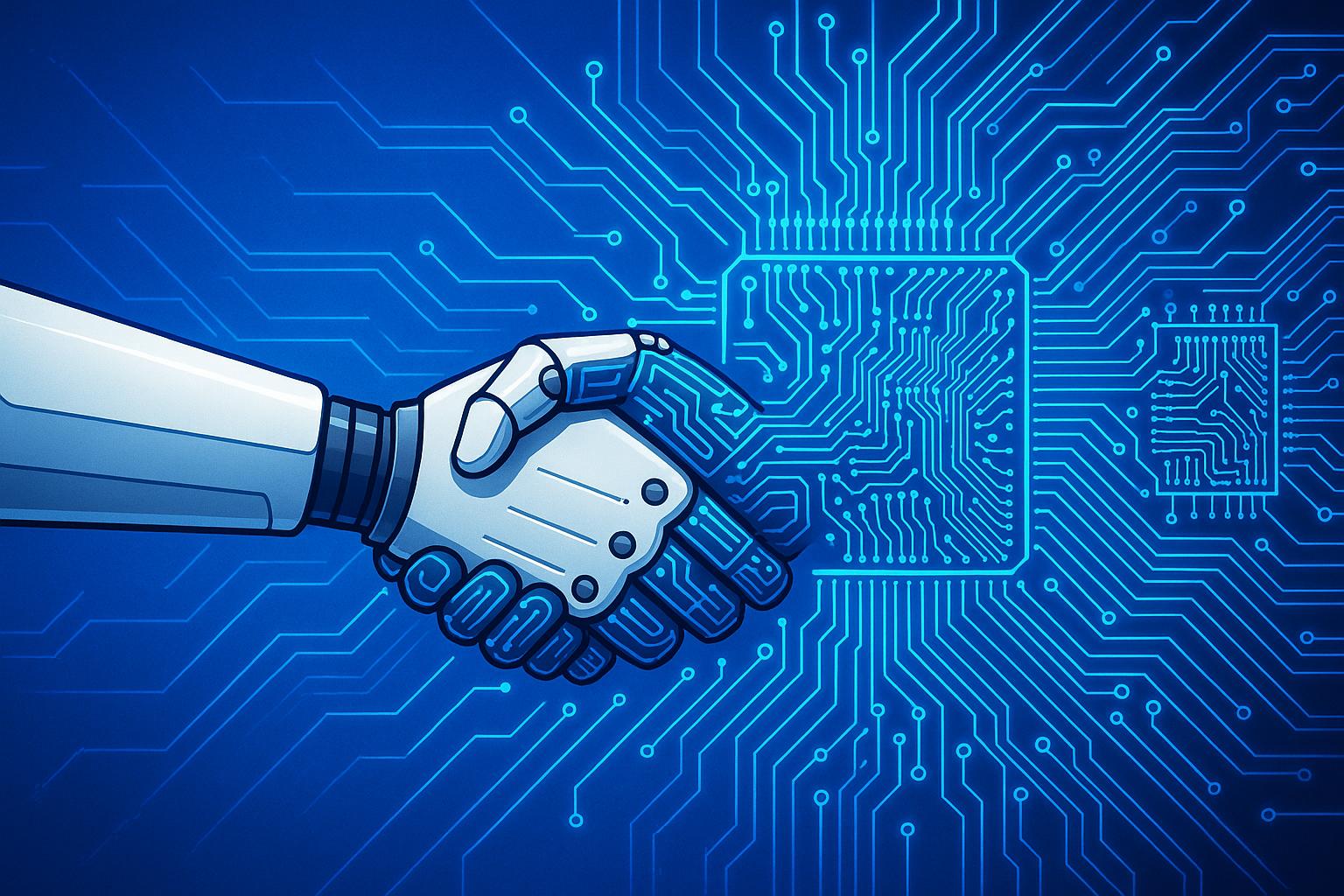
As enterprises shift towards AI and automation, integrating supplier relationship management at the heart of digital strategies is crucial to unlock hidden value, enhance resilience, and stay competitive in an interconnected marketplace.
**Why Digital Transformation Must Put SRM at the Core**
**The Missing Piece in Digital Transformation**
Digital transformation is often equated with automation, platforms, and analytics. But strip away the hype and one truth remains: most enterprise value sits outside the organisation’s walls. With more than 80% of revenue now flowing through suppliers, excluding Supplier Relationship Management (SRM) from transformation strategies is like modernising an office without connecting it to the power grid.
Without SRM, digital transformation doesn’t just stall—it leaves critical value untapped, and risks long-term competitiveness and resilience.
**AI Can’t Fix What SRM Doesn’t Support**
Supply chains today are dense networks of interdependence, volatility, and data. Yet too many businesses still manage suppliers with legacy tools, spreadsheets, or fragmented platforms. The cost of this oversight is steep: up to a third of negotiated value erodes over time because of weak supplier management and siloed data.
Analyst firms note the urgency. KPMG highlights that half of supply chain organisations are already investing in AI and advanced analytics. But AI applied to a broken relationship model is a wasted effort. Technology cannot compensate for the absence of a clear, structured approach to supplier relationships.
**Reframing Suppliers as Strategic Assets**
For too long, supplier relationships have been treated as “soft” and secondary to hard levers like contracts and cost. That mindset belongs to the past. Modern SRM brings objectivity to what was once anecdotal—transforming relationships into measurable, strategic assets.
Suppeco’s digital relationship layer does just that. By capturing a live, evolving picture of supplier engagement, it shifts SRM from subjective intuition to quantifiable intelligence. This elevates relationships from the periphery to the centre of strategic procurement and digital transformation.
**Unlocking the Untapped 90% of Data**
Most digital strategies focus on structured data within ERP, P2P, and finance systems. Yet around 90% of enterprise data is unstructured and operational—emails, stakeholder inputs, service notes, collaborative chats, and documents. This is the raw material of supplier relationships, and it’s where the most valuable signals are buried.
Traditional SRM approaches, built around templates and after-the-fact reviews, can’t keep pace. The opportunity lies in converting this messy, real-world data into actionable intelligence.
**Generative SRM: Real-Time Relationship Intelligence**
Suppeco applies domain-specific generative AI to this operational ecosystem. Its digital relationship layer captures live interactions between buyers and suppliers, surfacing patterns, risks, and opportunities that were previously invisible.
By turning engagement into real-time, objective intelligence, SRM evolves from an administrative chore into a discipline that drives resilience, innovation, and growth. With suppliers underpinning the majority of enterprise revenue, this shift is not a luxury—it’s a necessity.
And momentum is building. A 2025 Veridion study found that three in four procurement leaders are actively prioritising closer supplier collaboration. The market recognises that resilience and growth will be built on strategic partnerships, not just contracts.
**Protecting Margins with Supplier Intelligence**
Despite the progress, supplier visibility remains dangerously limited. KPMG reports that 43% of organisations cannot fully monitor even their tier-one suppliers. The consequence? Miscalculations of total landed cost (TLC), hidden charges from tariffs and freight, and unexpected compliance penalties.
This lack of clarity erodes margins and exposes businesses to unnecessary risk. Suppeco addresses this by delivering live, actionable visibility across supplier ecosystems, combining hard performance metrics with the softer—but equally critical—dynamics of relationship quality.
**SRM as the Standard, Not the Add-On**
Digital transformation without SRM is no longer viable. Supplier ecosystems are where the majority of enterprise value is created—and lost. Organisations that continue to treat SRM as peripheral will see their strategies fall behind.
The future is clear: relationships are no longer a side note. They are the operating system of modern supply chains. And any digital transformation that fails to embed SRM at its core is already out of date.
- https://www.zycus.com/blog/supplier-management/ai-in-supplier-relationship-management - This article discusses how AI can enhance supplier relationship management by automating tasks, improving communication, and providing data-driven insights, aligning with the article's emphasis on AI's role in SRM.
- https://sparxence.com/blog-Revolutionizing-Supplier-Relationship-Management-with-AI.html - The piece highlights the challenges in supplier management due to a lack of real-time data and how AI and connected systems provide instant access to performance metrics, supporting the article's claim about AI's impact on SRM.
- https://www.reuters.com/sustainability/boards-policy-regulation/how-ai-is-helping-companies-zero-human-rights-risks-2025-08-04/ - This report illustrates how AI assists companies in improving visibility and oversight of human rights risks in their supply chains, corroborating the article's point about AI's role in enhancing supplier relationship management.
- https://unity-connect.com/our-resources/bpo-learning-center/how-ai-enhances-vendor-management/ - The article outlines how AI enhances vendor management by automating tasks, improving communication, and providing data-driven insights, aligning with the article's emphasis on AI's role in SRM.
- https://community.nasscom.in/communities/ai/enhancing-supplier-performance-and-risk-management-aiml - This piece discusses how AI technologies enhance sustainability management by automating the collection and verification of compliance data across complex supply networks, supporting the article's claim about AI's impact on SRM.
- https://www.kavida.ai/blog/how-ai-agents-improve-supplier-relationship-management/ - The article explains how autonomous AI agents bring multiple benefits to procurement teams, including automating repetitive tasks, improving communication, monitoring risks, providing data-driven insights, and reducing costs, aligning with the article's emphasis on AI's role in SRM.