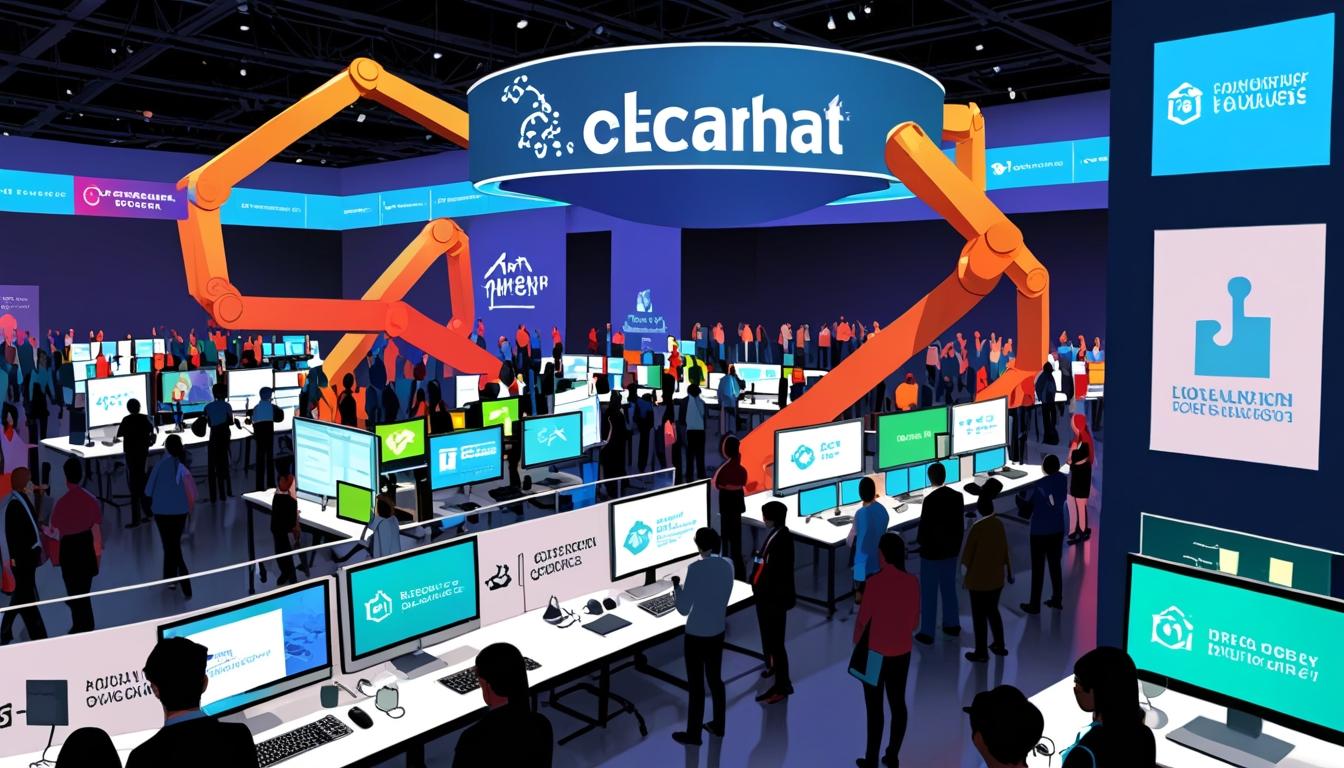
The global landscape is currently experiencing significant disruptions driven by escalating geopolitical tensions and rapid advancements in artificial intelligence (AI). This dual wave of disruption is most clearly illustrated through ongoing trade wars and what industry experts are referring to as the "AI wars." These concurrent challenges have introduced a new layer of volatility and complexity to the intricate networks of global supply chains.
Trade wars, marked by tariffs and other trade restrictions, are impacting the sourcing of raw materials, production, and the transportation of goods across borders. The recent developments in April 2025 have highlighted the immediacy of these issues, with the introduction of tariffs and policy uncertainty leading to increased operational costs and difficulties for supply chain professionals. For instance, on April 2, 2025, former US President Donald Trump announced sweeping reciprocal tariffs affecting nearly all countries, following by a 25% tariff on imported cars announced on April 3. China responded with its own tariffs, culminating in a complex environment that demands swift and effective strategies from global supply chain managers.
In contrast, the AI wars are characterised by a relentless pace of technological innovation. This realm of competition does not involve traditional military conflict, but rather signifies a technological race that can disrupt established operational norms and create new dependencies tied to data infrastructure and advanced analytics. The rapid integration of AI into supply chain management is seen as essential for adapting to the challenges posed by both the trade tensions and the demands of modern logistics.
Kinaxis, a supply chain management software provider, recognised the necessity for innovative solutions at its Kinexions 2025 user conference, which took place from March 31 to April 2, 2025. This gathering was particularly pertinent, as it occurred just days before the onset of new trade war challenges. Attendees included industry leaders, Kinaxis customers, and innovators who united to discuss the future of supply chains, with a pronounced focus on AI-driven innovation.
A notable announcement at Kinexions 2025 was Kinaxis' strategic partnership with Databricks, which aims to fortify the supply chain through the establishment of a Supply Chain Data Fabric for Kinaxis’ Maestro platform. This collaboration is designed to enhance the efficiency of data usage, paving the way for improved integration of AI Agents—intelligent systems that assist supply chain professionals by automating tasks like inventory management and risk mitigation. These AI Agents are intended to support proactive disruption management, allowing supply chain managers to enhance their strategic roles within organisations.
The emphasis on sophisticated data strategies was echoed during discussions surrounding the need for robust data quality. To ensure AI's reliability, it is critical to develop strong DataOps and AIOps capabilities, reinforcing the idea that the effectiveness of AI applications is intrinsically linked to the quality of the data they operate on. This notion is underscored by the adage "garbage in, garbage out," reminding professionals of the importance of accurate data inputs.
As supply chains continue to be affected by the confluence of trade wars and AI advancements, the challenges are expected to be even more pronounced than those witnessed during the COVID-19 pandemic. Traditional planning methodologies are struggling to keep pace with the dynamic and unpredictable landscape, necessitating a shift to more nuanced and adaptable strategies.
In conclusion, the dual disruptions of trade tensions and AI competition present complex challenges for global supply chains, compelling professionals to rethink their approaches. The advancements highlighted at Kinexions 2025 suggest a pivotal movement towards harnessing AI for resilience and agility in navigating this environment of intelligent disruption. By prioritising strong data foundations and embracing innovative tools, supply chain professionals may enhance their operational capabilities and prepare to tackle the unprecedented challenges of the current landscape.
Source: Noah Wire Services