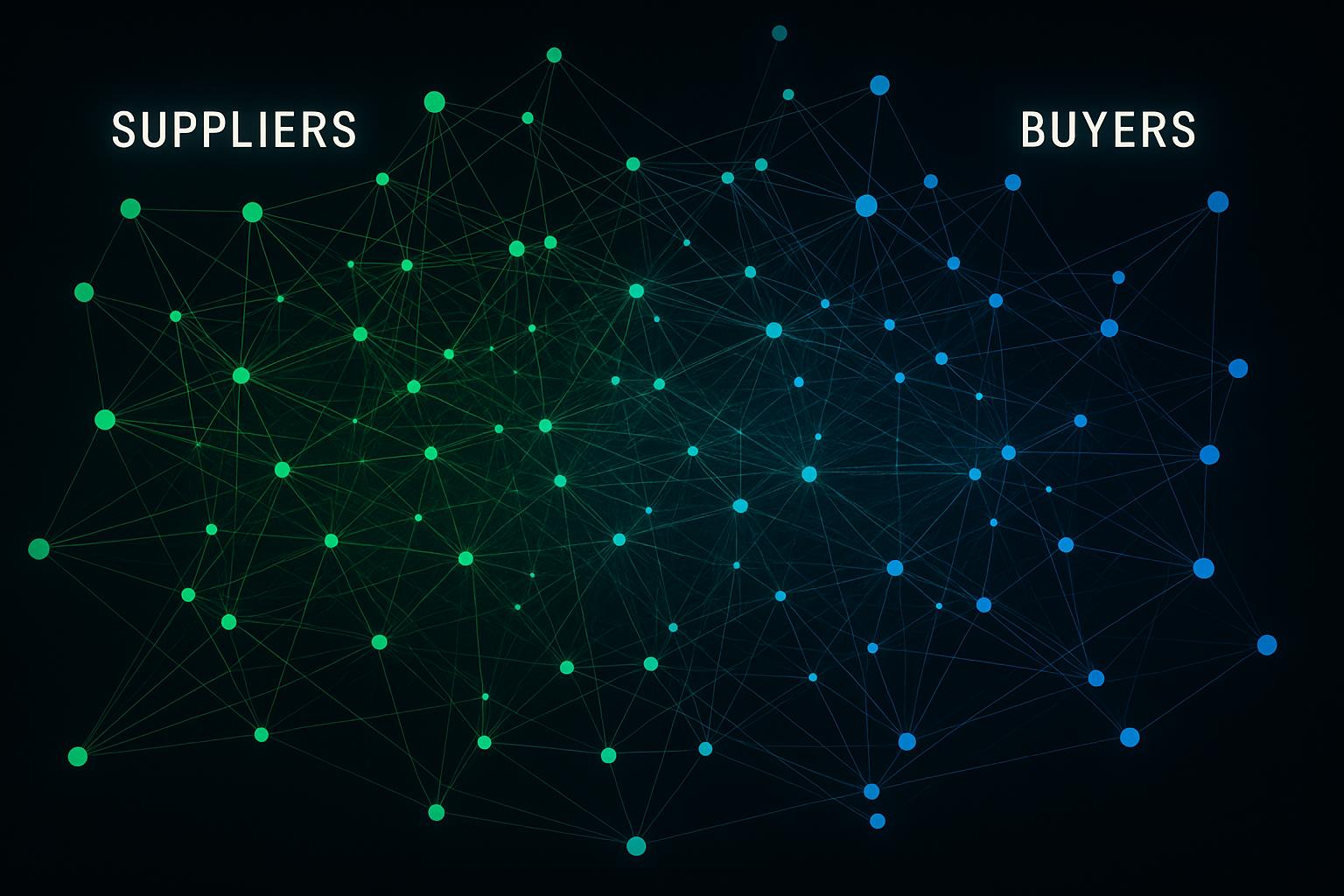
Procurement is moving beyond a narrow focus on purchasing and into a more strategic role shaped by data, speed and resilience. As organisations contend with sprawling supplier bases, volatile input costs and growing volumes of contract and spend data, conventional manual processes are struggling to keep pace. AI is increasingly being adopted to fill that gap, helping procurement teams automate routine work, identify patterns hidden in large datasets and make decisions with greater confidence.
At its core, AI in procurement refers to the use of machine learning, natural language processing and automation to support tasks across the buying cycle. Rather than relying solely on human review, systems can learn from historical activity, flag anomalies and generate recommendations. That can make a practical difference in day-to-day work, from analysing supplier performance to extracting key terms from contracts or spotting unusual spending behaviour.
One of the clearest applications is spend analysis and cost control. Procurement teams often sit on years of fragmented purchasing data, making it difficult to see where money is being wasted or where sourcing could be consolidated. AI tools can classify spend more accurately, identify rogue purchases and highlight opportunities to negotiate better terms. Industry guides from Oracle and SAP describe this as one of the most mature use cases, alongside supplier management and contract lifecycle management.
Supplier selection and risk monitoring are also becoming more sophisticated. Instead of depending only on periodic reviews, AI can continuously assess delivery performance, quality, compliance records and wider risk indicators. That gives teams earlier warning of possible disruption and helps them make better-informed choices about which suppliers to retain, challenge or replace. According to guidance from Techtarget and Supply & Demand Chain Executive, this kind of ongoing monitoring is now seen as essential in managing supplier relationships at scale.
Automation is also changing how purchase orders and related documents are handled. Repetitive tasks such as data entry, verification and routing can be completed far more quickly by AI-enabled systems, reducing delays and the risk of human error. In a similar vein, generative AI is starting to support the first drafts of requests for proposals and other procurement documents, saving time in teams that spend much of their day working with text-heavy workflows. The caveat, as several industry commentators have noted, is that these tools still require careful oversight to avoid inaccuracies or poor judgement being carried into formal procurement processes.
Contract and compliance management are another area where AI is gaining ground. By reading and extracting clauses, tracking renewal dates and comparing obligations against policy, systems can make it easier to manage legal and regulatory risk. That is especially valuable in large organisations where contract volumes are high and manual review can leave gaps. AI can also create cleaner audit trails, helping teams demonstrate compliance and respond more quickly to internal or external scrutiny.
Forecasting demand and planning inventory are further examples of how procurement is becoming more proactive. By drawing on historical purchasing patterns, market trends and external signals, AI can help organisations anticipate what they will need and when. That can reduce both stockouts and excess inventory, supporting a more efficient supply chain overall.
The appeal for businesses is straightforward. AI can improve efficiency by removing repetitive tasks, strengthen decision-making through faster and deeper analysis, reduce costs by exposing inefficiencies and rogue spend, and improve supplier relationships by making performance easier to track. In the broader view, it shifts procurement away from reactive administration and towards a more strategic function.
Even so, implementation is not simply a matter of installing a tool. Successful adoption depends on clean data, a clear use case and a phased rollout that allows teams to build confidence. Organisations also need the right governance, especially where contract interpretation, supplier risk or generative content is involved. Used well, AI can make procurement more agile, more accurate and better prepared for a volatile market.
Source: Noah Wire Services