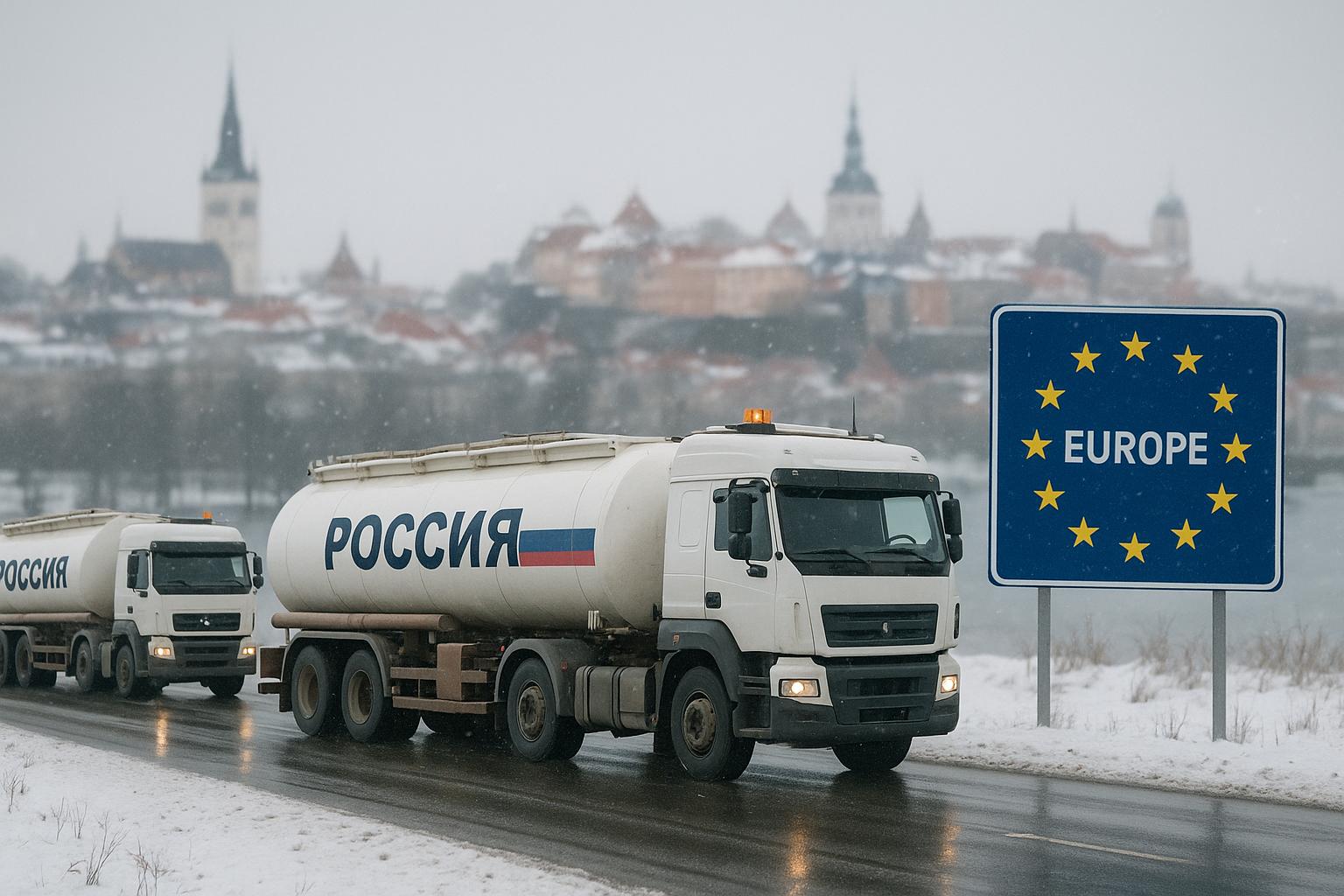
Russian President Vladimir Putin signalled this week that Moscow could re-engage with European energy buyers if political obstacles were removed, framing the offer as contingent on durable, long-term commercial guarantees rather than a unilateral Russian move.
Speaking at a televised meeting with senior government officials and executives from state energy firms including Gazprom, Rosneft and Transneft, Putin said Russia was prepared to restore large-scale oil and gas ties with Europe provided contracts delivered “sustainability and stability” in trade relations, according to Reuters. “If European companies and European buyers suddenly decide to reorient themselves and provide us with long-term, sustainable cooperation, free from political pressures, free from political pressures, then yes, we’ve never refused it. We’re ready to work with Europeans too. But we need some signals from them that they’re ready and willing to work with us and will ensure this sustainability and stability,” he said.
Putin framed the pause in energy shipments to Europe as the result of political decisions in Brussels and national capitals rather than a permanent Russian policy shift. Reuters reports he stressed that Moscow had never closed the door to Europe but sought assurances that future trade would not be subject to recurrent political interference.
The comments come as global markets grapple with heightened volatility after US and Israeli strikes on Iran and the risk of supply interruptions through the Strait of Hormuz, a vital artery for seaborne oil. According to Al Jazeera, Putin warned that reorganising Middle Eastern supplies to compensate for any disruption would take time and significant infrastructure investment, and he suggested Russia may favour markets offering stable, long-term demand such as certain eastern European buyers.
European policy is moving in the opposite direction. Al Jazeera reports the European Commission plans additional restrictions on Russian hydrocarbons from 25 April, with an envisaged full ban on pipeline gas imports by the end of 2027. The Independent says Putin has even floated the idea of cutting supplies to Europe in response to those EU plans, instructing the government to explore redirecting exports to more attractive markets. The South China Morning Post similarly noted Moscow’s warnings that a spike in energy prices linked to the Iran crisis has made alternative buyers willing to pay premium prices, creating an incentive to reroute exports away from Europe.
Market analysts say that while Russia retains the production capacity to increase shipments, practical and political hurdles are substantial. Redirecting pipeline flows and LNG cargoes requires contractual renegotiations, new logistics and, in some cases, infrastructure that cannot be arranged overnight. Industry commentators also point to the unpredictability of demand and sanctions regimes as impediments to swift realignment.
European governments face a difficult calculus. A return of Russian hydrocarbons under long-term contracts could relieve short-term price pressures and ease supply anxieties, but it would also raise profound political and strategic questions about dependency and the leverage Moscow could regain. Brussels has repeatedly defended its sanctions as a response to Russia’s invasion of Ukraine, arguing they are part of a broader policy to reduce reliance on Moscow for energy security.
Moscow’s posture mixes inducement with leverage. Putin’s public offer, framed around the language of commercial certainty, serves both as an overture to buyers and as a reminder that Russia remains a major supplier with options to reallocate sales where prices and political risk are more favourable. As the situation in the Middle East continues to unsettle global flows, European capitals will have to weigh near-term market relief against the long-term strategic aim of diversifying away from Russian energy.
Source: Noah Wire Services