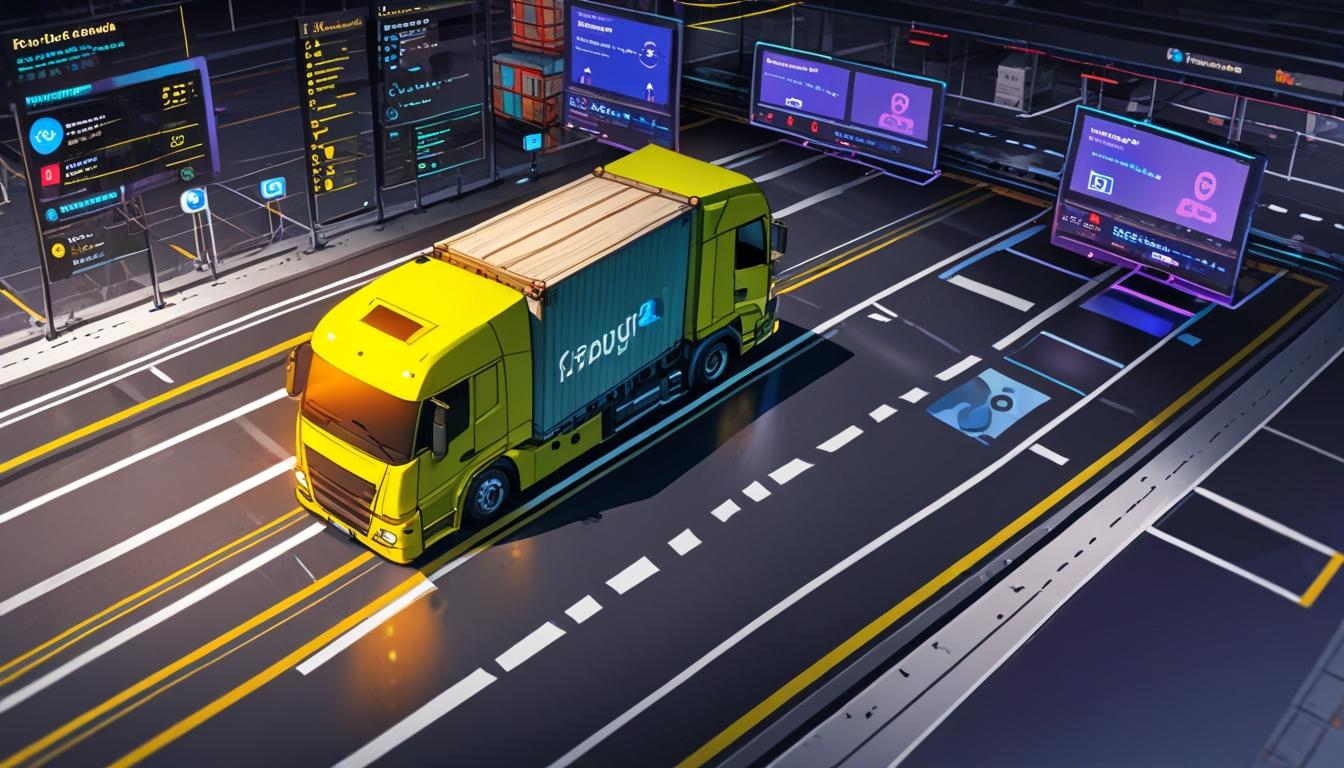
London: At the TPM25 conference, GoComet introduced the Incidence Dashboard, an AI-driven tool designed to enhance logistics efficiency by predicting disruptions. The event highlighted a shift towards proactive supply chain management, emphasising the necessity of digital solutions for businesses aiming for rapid ROI.
At the TPM25 conference, GoComet unveiled a new AI-driven tool aimed at enhancing operational efficiency in the logistics sector. The Incidence Dashboard is designed to predict and mitigate potential disruptions before they occur, representing a significant advancement over traditional tracking methods. This dashboard not only provides real-time insights but also offers automatic suggestions for alternative routes and contingency plans, integrating advanced predictive methodologies likened to those depicted in science fiction films such as "Minority Report."
The focus of the conference reflected a broader industry trend towards ROI-driven innovation, with speakers urging companies to prioritise rapid integration of digital solutions rather than deliberating over their adoption. Gautam Prem Jain, CEO of GoComet, remarked, "The future belongs to businesses that embrace AI and automation, not as a luxury, but as a necessity. At GoComet, we're ensuring companies see ROI in weeks, not years."
Collaboration across the supply chain was another prominent theme at TPM25. As logistics operations shift from isolated approaches to integrated networks, GoComet’s technology aims to facilitate real-time connections between shippers, carriers, and logistics partners. This seamless integration, bolstered by AI-powered insights, is expected to enhance both operational efficiency and resilience within the sector.
The event underscored a pivotal moment for supply chain management, where the emphasis is shifting from mere reaction to proactive anticipation of disruptions. Experts at the conference, including Steve Ferreira of Ocean Audit Inc. and Daniel Stanton, known as Mr. Supply Chain, reinforced the message that businesses embracing AI are poised to define the future standard for supply chain resilience.
As the logistics industry increasingly adopts advanced technologies, the potential exists to transform logistics from a traditionally viewed cost centre into a strategic asset.
Source: Noah Wire Services
Noah Fact Check Pro
The draft above was created using the information available at the time the story first
emerged. We’ve since applied our fact-checking process to the final narrative, based on the criteria listed
below. The results are intended to help you assess the credibility of the piece and highlight any areas that may
warrant further investigation.
Freshness check
Score:
8
Notes:
The narrative appears to be recent, referencing a specific event (TPM25 conference) and current trends in logistics. However, without a specific date mentioned in the text, it's difficult to confirm its exact freshness.
Quotes check
Score:
6
Notes:
There is a direct quote from Gautam Prem Jain, but without further research, it's unclear if this is the first instance of its use. The quote seems original to this context but lacks verification from other sources.
Source reliability
Score:
7
Notes:
The narrative originates from a press release on PRWeb, which is a reputable platform for distributing press releases. However, press releases are often promotional and may not provide balanced information.
Plausibility check
Score:
9
Notes:
The claims about AI-driven supply chain innovations and industry trends towards digital solutions are plausible and align with current technological advancements in logistics.
Overall assessment
Verdict (FAIL, OPEN, PASS): OPEN
Confidence (LOW, MEDIUM, HIGH): MEDIUM
Summary:
The narrative appears to be recent and plausible, focusing on current trends in logistics. However, it is based on a press release, which may have promotional elements. The quote from Gautam Prem Jain lacks external verification, but the overall context seems consistent with industry developments.