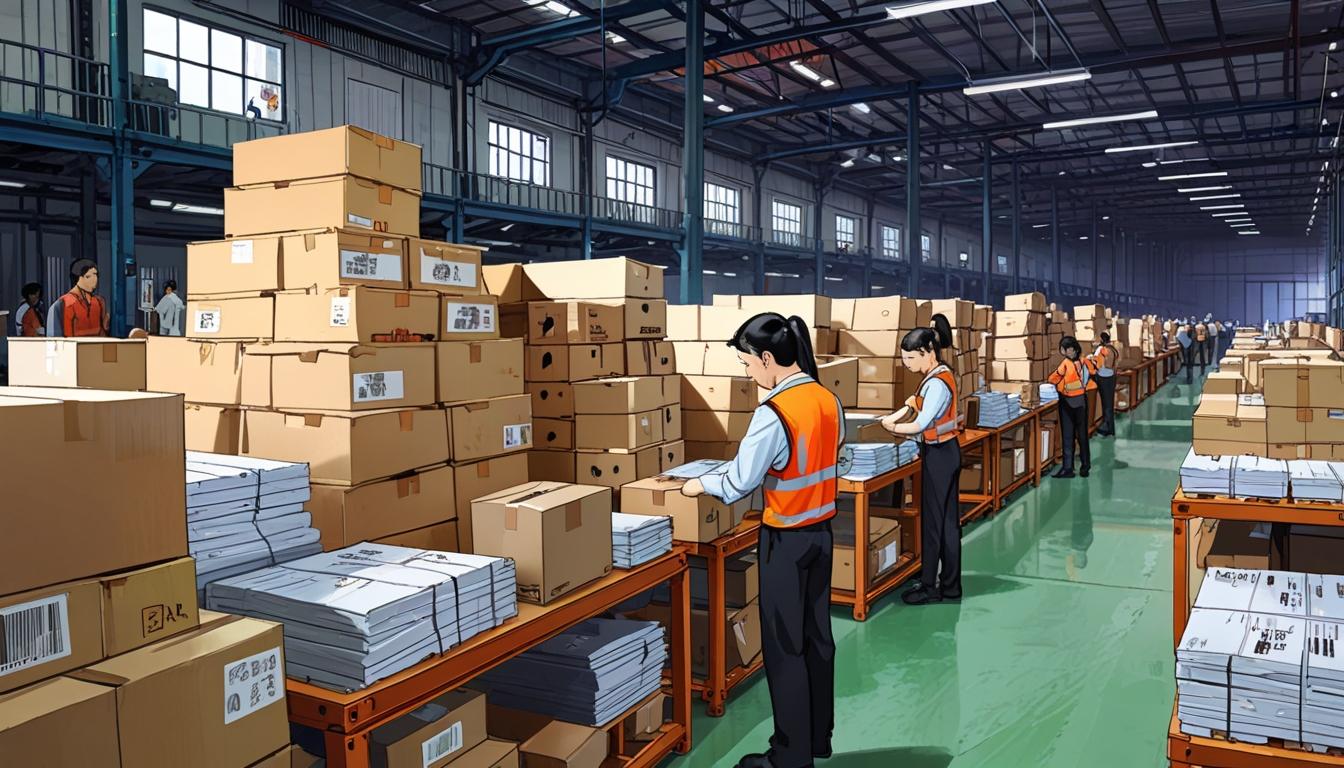
Global trade: An in-depth look at how businesses use one-stop B2B services and double invoicing to legally reduce tariff costs amid US-China trade tensions, revealing the sophisticated tactics evolving within international logistics and customs compliance.
As the issue of tariffs has come to dominate global trade discussions, especially with China standing out as the primary focus of US tariff policies, innovative strategies to navigate these financial barriers have rapidly emerged. The Strategy Toolkit has detailed one such approach that reflects the intricate measures businesses are employing to mitigate the impact of tariffs.
An increasingly prevalent tactic involves one-stop B2B services that facilitate what is termed "double clearance and tax inclusive" processes. These companies handle customs compliance and related logistics on both the exporting and importing sides of trade, catering primarily to the complexities arising from tariffs imposed during contentious trade periods. The rise of these entities has been particularly noticeable since the initiation of trade conflicts under the Trump administration.
One notable method used by these firms includes legal and creative undervaluation of goods. This involves practices such as double invoicing, where the declared value of a product on one invoice is deliberately lowered, while the remaining value is allocated to a separate invoice for services exempt from tariffs—such as marketing fees. This approach aims to reduce tariff liabilities while maintaining regulatory compliance.
These services are marketed at competitive rates through Chinese social media platforms, indicating a vibrant underground economy adapting to circumvent trade restrictions. Legal experts have acknowledged the sophistication of these practices, highlighting how companies sometimes utilise affiliated importers of record to facilitate these transactions.
The Strategy Toolkit's coverage, drawing from analysis published by Nikkei Asia, underscores the complexity and resourcefulness within China’s logistics sector in response to US tariffs. It reveals a landscape where tariff enforcement is challenged by innovative supply chain strategies that exploit nuances in trade regulations and customs procedures.
Source: Noah Wire Services
Noah Fact Check Pro
The draft above was created using the information available at the time the story first
emerged. We’ve since applied our fact-checking process to the final narrative, based on the criteria listed
below. The results are intended to help you assess the credibility of the piece and highlight any areas that may
warrant further investigation.
Freshness check
Score:
8
Notes:
The content references tariff strategies emerging since the Trump administration's trade conflicts, which began several years ago. While the trade tensions remain relevant, specific references to the Trump era suggest some information may date back to that period, though such tactics remain ongoing. There is no evident recycling of older press releases, and the narrative appears to synthesise recent analyses including from Nikkei Asia, indicating relatively fresh content.
Quotes check
Score:
9
Notes:
The narrative includes descriptions of practices like 'double invoicing' and the use of affiliated importers but does not contain direct attributed quotes. References to analysis from Nikkei Asia serve as the earliest known source for these insights, so the original source is clearly identified and no indication of misquotation or repeated quotes is present.
Source reliability
Score:
7
Notes:
The narrative is published via The Strategy Toolkit on Substack, which is a platform for independent commentary rather than a traditional, established media outlet. While it cites a reputable publication — Nikkei Asia — for key insights, the hosting platform itself is less established and therefore less authoritative. This lowers confidence somewhat compared to major news organisations.
Plausibility check
Score:
9
Notes:
The claims about innovative customs and tariff evasion techniques, their legal nuances, and marketing through Chinese social media are plausible and consistent with known complexities of US-China trade relations. These strategies align with observed behaviour in global logistics under trade tensions. The reliance on industry experts and Nikkei Asia analysis further supports plausibility. However, direct verification of underground market pricing or exact practices is inherently difficult.
Overall assessment
Verdict (FAIL, OPEN, PASS): PASS
Confidence (LOW, MEDIUM, HIGH): MEDIUM
Summary:
The narrative credibly outlines ongoing and evolving tariff circumvention strategies with supporting references to reputable analysis from Nikkei Asia. Although it is hosted on a less traditional platform, the content does not appear recycled or outdated, and no direct quotes raise concerns. The described practices are plausible given known trade complexities. Overall, it meets standards for credibility and freshness with moderate confidence.