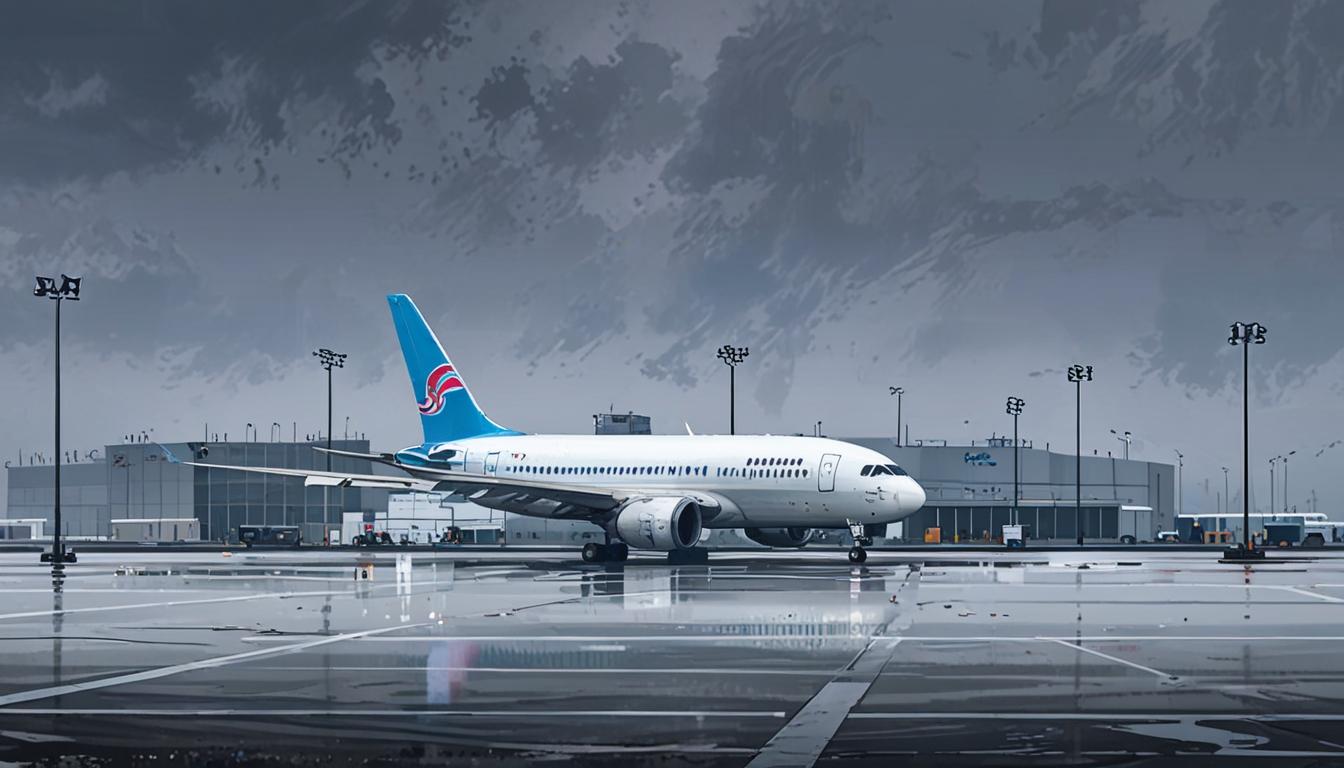
Beijing: China has ordered its airlines to stop accepting new Boeing aircraft deliveries and sourcing US aircraft parts, escalating trade tensions with the US. The move responds to US tariffs and threatens Boeing’s position in a key market, impacting stocks and the aerospace sector.
According to a report by Bloomberg on 15 April 2025, China has reportedly instructed its airlines to cease accepting deliveries of new Boeing aircraft. This directive is believed to be part of a broader retaliatory response amid intensifying trade tensions between the United States and China.
The directive extends beyond aircraft deliveries, with Beijing also allegedly urging Chinese carriers to stop procuring aircraft-related equipment and parts from American companies. These measures come on the heels of China announcing substantial retaliatory tariffs on US goods, marking a significant escalation in the ongoing trade dispute.
Sources cited by Bloomberg suggest that the installment aligns with China’s strategy to counteract the impact of US-imposed tariffs, which have reached rates as high as 145% on certain Chinese goods. The reciprocal tariffs appear to be notably affecting Boeing’s business operations within one of its most important markets.
Boeing’s stock (BA) experienced a downturn following the dissemination of Bloomberg’s report, reflecting investor concerns over the company’s prospects amid these developments. The Chinese market remains pivotal for Boeing, accounting for a significant share of expected global aircraft demand in the coming years.
The Australian Aviation publication is reporting on this development, highlighting the potential ramifications of the trade conflict for the aerospace sector and the broader economic ties between the two countries.
Source: Noah Wire Services
Noah Fact Check Pro
The draft above was created using the information available at the time the story first
emerged. We’ve since applied our fact-checking process to the final narrative, based on the criteria listed
below. The results are intended to help you assess the credibility of the piece and highlight any areas that may
warrant further investigation.
Freshness check
Score:
10
Notes:
The information is recent, referencing a report from 15 April 2025, making it current and likely not recycled from older news.
Quotes check
Score:
0
Notes:
There are no direct quotes in the narrative to verify.
Source reliability
Score:
9
Notes:
The narrative originates from a report by Bloomberg, a well-established and reliable news source. However, the specific article itself is hosted on afrviator.org, which may not be as widely recognized.
Plausibility check
Score:
8
Notes:
The claim is plausible given the ongoing trade tensions between the U.S. and China. However, it lacks direct evidence from official Chinese or Boeing sources, which could enhance its credibility.
Overall assessment
Verdict (FAIL, OPEN, PASS): PASS
Confidence (LOW, MEDIUM, HIGH): MEDIUM
Summary:
The narrative is recent and based on a reputable source, but it lacks direct quotes and lacks explicit confirmation from primary sources involved in the decision. The content is plausible given current geopolitical tensions but could be further verified with official statements.