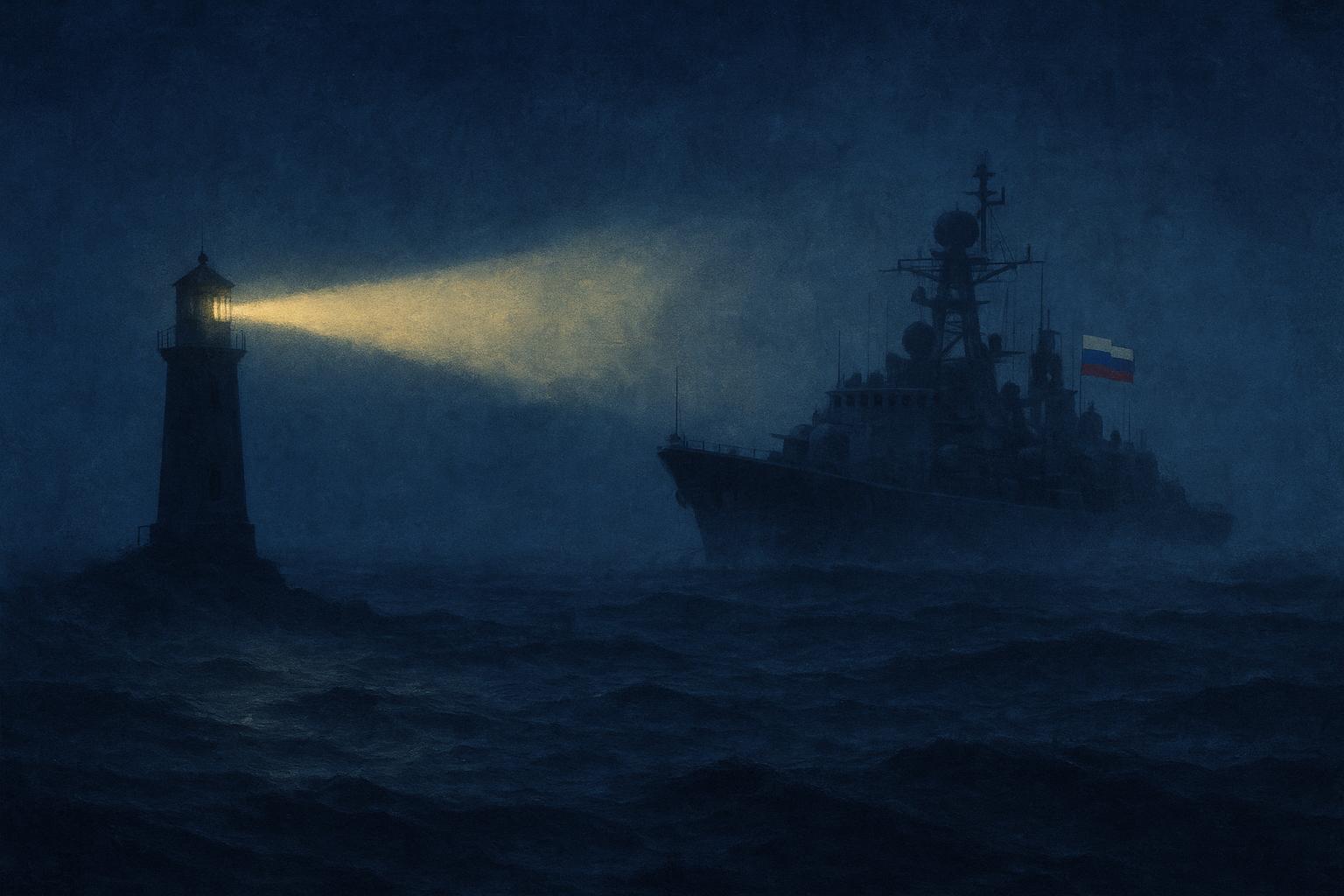
Brussels is set to adopt its 19th sanctions package against Russia, amid growing calls for sustained pressure and newly intensified measures targeting Moscow’s shadow fleet and circumventing strategies, signalling an escalating effort by the EU to compel Russia’s engagement in peace talks.
Brussels is preparing to adopt its 19th sanctions package against Russia as European Union foreign policy chief Kaja Kallas underscored the necessity of sustained pressure on Moscow to bring it to the negotiating table. Speaking ahead of the EU Foreign Affairs Council meeting in Luxembourg, Kallas expressed scepticism about Russia’s willingness to negotiate peace, stating, “Russia only understands strength and only negotiates when it’s really put to negotiate. So right now we don’t see it yet.” The new sanctions package is expected to be finalised later this week, with a leaders’ summit scheduled for Thursday to further discuss the matter.
The ongoing diplomatic endeavour follows previous rounds of sanctions aimed at curbing Russia’s economic and military capabilities in reaction to its invasion of Ukraine. The EU’s 18th package, adopted on July 18, 2025, targeted multiple sectors including energy revenues, banking, and the military-industrial complex. It introduced measures such as sanctions against companies associated with the Russian Direct Investment Fund, prohibitions on certain banking software, and expanded export restrictions to impede Russia’s military operations. These sanctions also sought to strengthen the EU’s ability to prevent circumvention of restrictions.
Kallas also highlighted efforts to clamp down on Russia’s so-called “shadow fleet,” a network of vessels assisting Moscow in bypassing oil-export restrictions. The EU has intensified scrutiny of these operations since the 15th sanctions package last December specifically targeted this shadow fleet, adding significant listings related to Russia’s military-industrial complex and including sanctions against Chinese actors involved in circumvention efforts. The 17th package, adopted in May 2025, further expanded restrictions on these vessels and capped revenues from Russian energy imports as part of a broader strategy to throttle the Russian economy’s wartime funding.
Kallas’s remarks were made in the context of heightened geopolitical tensions, including Russia’s war in Ukraine and the recent ceasefire agreement between Israel and Hamas. The EU also flagged the importance of ensuring humanitarian aid reaches civilians in Gaza, emphasising that the ceasefire is only a first step toward sustainable peace.
Regarding the diplomatic front, Kallas remarked on the recent US-Russia meeting in Budapest between Donald Trump and Vladimir Putin. She expressed a preference that Ukraine’s President Volodymyr Zelensky should be the one to negotiate directly with Putin, reflecting Kyiv’s central role in peace efforts. Highlighting Zelensky’s call for more robust US pressure on Russia, Kallas said that if the US used its leverage effectively, this could help bring Russia to the negotiating table. The International Criminal Court’s arrest warrant for Putin adds another layer of complexity, with Kallas noting the incongruity of his presence in Europe amid such charges.
Moscow, through Foreign Ministry spokeswoman Maria Zakharova, accused the EU of engaging in active subversive efforts to disrupt potential peace talks, blaming Western European nations and “former American ultra-liberal attitudes” for obstructing negotiations. This assertion stands in contrast to the EU’s narrative that greater pressure on Russia is essential for peace.
In addition to addressing Russia, the EU's foreign policy strategy looks beyond Europe. Ahead of the upcoming Indo-Pacific ministerial meeting in November, the EU is reaching out to partners in the region, particularly in light of concerns over China’s weaponisation of supply chains, signalling the EU’s commitment to counterbalance growing economic and geopolitical risks worldwide.
The EU has maintained a steady trajectory with an escalating series of sanctions packages since February 2025, each aimed at tightening the economic noose on Russia while closing loopholes and preventing the evasion of restrictions. As the 19th package looms, these measures continue to represent the bloc’s broader strategy to increase the costs for Russia’s military aggression and support Ukraine’s defence, while navigating complex international diplomatic waters.
Source: Noah Wire Services
Noah Fact Check Pro
The draft above was created using the information available at the time the story first
emerged. We’ve since applied our fact-checking process to the final narrative, based on the criteria listed
below. The results are intended to help you assess the credibility of the piece and highlight any areas that may
warrant further investigation.
Freshness check
Score:
9
Notes:
The narrative is current, dated October 21, 2025, and reports on recent developments regarding the EU's 19th sanctions package against Russia. The Times of Oman is a reputable source, and the content appears original. No evidence of recycled news or significant discrepancies with earlier reports was found. The inclusion of updated data, such as the expected adoption of the 19th sanctions package later this week, justifies a high freshness score.
Quotes check
Score:
8
Notes:
The direct quotes attributed to Kaja Kallas, such as "Russia only understands strength and only negotiates when it's really put to negotiate," and "We are expecting this week also to adopt the 19th package of sanctions," are consistent with her previous statements. For instance, in a Reuters article dated October 20, 2025, Kallas emphasized the need for additional measures to bolster Ukraine’s energy security. ([reuters.com](https://www.reuters.com/business/energy/eu-needs-more-measures-help-ukraines-energy-security-kallas-says-2025-10-20/?utm_source=openai)) While the quotes are not verbatim, they align with her known positions, suggesting the content is not recycled.
Source reliability
Score:
7
Notes:
The narrative originates from the Times of Oman, a reputable news outlet. However, the article is attributed to ANI (Asian News International), an Indian news agency. This raises questions about the direct sourcing and potential for misattribution. Additionally, the Times of Oman has previously published articles on similar topics, indicating a pattern of reporting on EU sanctions against Russia. ([timesofoman.com](https://timesofoman.com/article/160590-eu-approves-strongest-sanctions-yet-against-russia-targets-shadow-fleet-oil-trade?utm_source=openai)) While the source is generally reliable, the involvement of ANI and the pattern of reporting suggest a need for cautious evaluation.
Plausibility check
Score:
8
Notes:
The claims regarding the EU's 19th sanctions package against Russia are plausible and align with recent developments. For example, Austria agreed to support the EU's new Russia sanctions, clearing a major hurdle for approval. ([reuters.com](https://www.reuters.com/world/europe/austria-back-eus-new-russia-sanctions-clearing-hurdle-2025-10-18/?utm_source=openai)) The narrative also mentions Kaja Kallas's remarks on Russia's "shadow fleet," which are consistent with her previous statements. However, the article's tone and structure, including the inclusion of unrelated details such as the ceasefire agreement between Israel and Hamas, may be seen as a possible distraction tactic. Additionally, the use of phrases like "not nice" to describe Putin's potential visit to Hungary may be considered unusually dramatic for official communications. ([reuters.com](https://www.reuters.com/world/europe/eu-foreign-policy-chief-says-possible-putin-visit-hungary-not-nice-2025-10-20/?utm_source=openai))
Overall assessment
Verdict (FAIL, OPEN, PASS): OPEN
Confidence (LOW, MEDIUM, HIGH): MEDIUM
Summary:
The narrative is current and reports on recent developments regarding the EU's 19th sanctions package against Russia. While the quotes attributed to Kaja Kallas align with her known positions, the involvement of ANI and the pattern of reporting by the Times of Oman suggest a need for cautious evaluation. The plausibility of the claims is supported by recent events, but the tone and structure of the article raise questions about its authenticity. Therefore, further verification is recommended to confirm the accuracy and originality of the content.