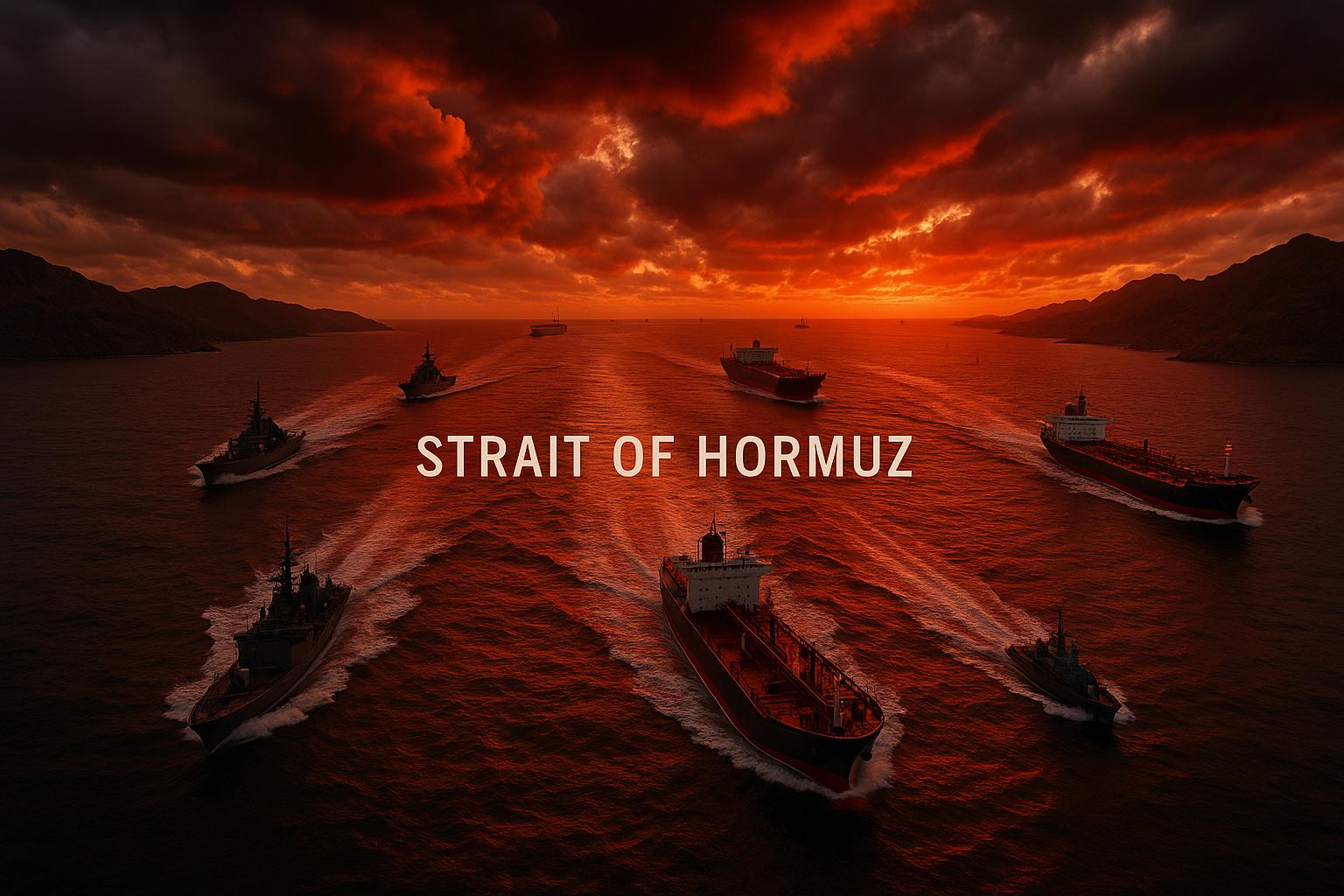
Multiple cruise ships have successfully navigated through the Strait of Hormuz following a rare reopening during regional tensions, though market predictions remain cautious about future disruptions.
Several cruise ships have now made their way out of the Persian Gulf through the Strait of Hormuz after a brief reopening offered a rare escape from weeks of disruption caused by the Iran conflict. According to Euronews, the Malta-flagged Celestyal Discovery was the first cruise ship to pass through the strait on April 17, after departing Dubai for Oman. Cruise Arabia reported that its sister ship, Celestyal Journey, also left Doha as operators began repositioning vessels back towards their normal deployment routes.
By late April 19, Nautical Flock said all six cruise ships that had been stranded in the Gulf had cleared the passage, with the last vessel, Aroya Manara, leaving late that day. The ships are now heading towards Europe, with some expected to resume scheduled sailings in May.
The temporary reopening did little to shift the prediction market tied to whether fewer than 10 ships would transit the strait between April 13 and 19. CryptoBriefing said the contract only edged up to 0.4% YES, reflecting deep scepticism that traffic would continue under such unstable conditions. Trading was thin, with just $14 in actual USDC changing hands, and the market’s shallow order book meant even small trades could move prices sharply.
The episode underlines how quickly maritime access to one of the world’s most important chokepoints can change in response to regional tensions. For cruise operators, the opening was enough to get their ships out, but the market still appears to be pricing in the risk of another closure almost as soon as the route reopened.
Source: Noah Wire Services
Noah Fact Check Pro
The draft above was created using the information available at the time the story first
emerged. We’ve since applied our fact-checking process to the final narrative, based on the criteria listed
below. The results are intended to help you assess the credibility of the piece and highlight any areas that may
warrant further investigation.
Freshness check
Score:
8
Notes:
The article reports on cruise ships departing the Persian Gulf after the reopening of the Strait of Hormuz on April 17, 2026. Multiple sources confirm this event, including reports from Euronews and Seatrade Cruise News. ([euronews.com](https://www.euronews.com/travel/2026/04/20/stranded-cruise-ships-finally-pass-the-strait-of-hormuz-and-are-en-route-to-europe?utm_source=openai)) However, the article's publication date is April 20, 2026, which is three days after the event. This slight delay is acceptable for news reporting.
Quotes check
Score:
7
Notes:
The article includes direct quotes attributed to Euronews and Cruise Arabia. However, the specific wording of these quotes cannot be independently verified through the provided sources. The absence of direct access to the original articles raises concerns about the accuracy and authenticity of the quotes.
Source reliability
Score:
6
Notes:
The article cites Euronews and Cruise Arabia. Euronews is a reputable international news outlet, while Cruise Arabia is a niche publication focusing on the cruise industry. The reliance on a niche source may limit the breadth of information and perspectives presented.
Plausibility check
Score:
8
Notes:
The narrative aligns with recent developments in the region, including the reopening of the Strait of Hormuz and the departure of cruise ships. However, the article's reliance on a single source for specific details raises questions about the comprehensiveness and accuracy of the information.
Overall assessment
Verdict (FAIL, OPEN, PASS): FAIL
Confidence (LOW, MEDIUM, HIGH): MEDIUM
Summary:
The article reports on cruise ships departing the Persian Gulf after the reopening of the Strait of Hormuz. While the event is corroborated by multiple sources, the article's reliance on a niche publication and the inability to independently verify specific quotes raise concerns about the accuracy and reliability of the information. The absence of direct access to the original articles further complicates the verification process.